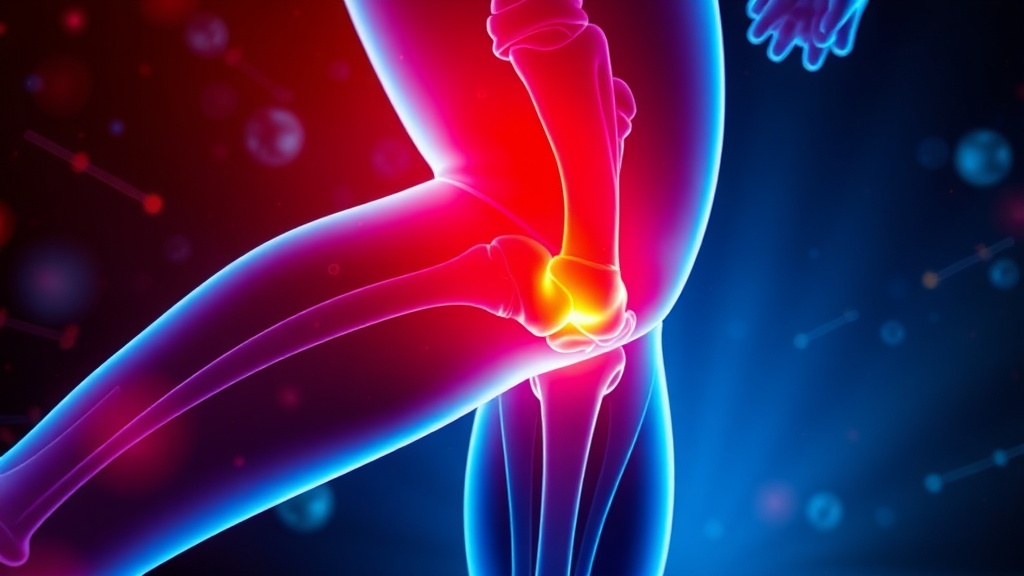
5 Essential Micronutrients for Long-Term Joint Health

Vitamin C for Collagen Synthesis
Omega-3 Fatty Acids for Inflammation
Magnesium for Muscle and Nerve Function
Vitamin D for Bone Density
Sulfur-Rich Compounds for Cartilage
Back when I was teaching public school, I used to think that if a student didn't master a concept in a single lesson, they had failed. I applied that same "all-or-nothing" logic to my own fitness. I thought if I wasn't crushing high-impact HIIT sessions every single morning, I wasn't "doing it right." The result? Chronic inflammation, nagging knee pain, and eventually, a complete burnout. It took me losing 40lbs and rethinking my entire approach to realize that progress isn't built on intensity alone—it's built on the foundation of the small, often invisible things. In the classroom, we call this the "scaffolding" of learning. In the body, that scaffolding is your nutrition.
When we talk about fitness, we usually obsess over macronutrients: the proteins for muscle, the carbs for energy, and the fats for hormones. But if you want to move well into your 50s, 60s, and beyond, you have to look at the microscopic details. Your joints—the cartilage, tendons, and ligaments that allow you to move—require specific micronutrients to maintain structural integrity and manage inflammation. Without these, even the most perfect training program will eventually hit a wall of pain.
If you are looking to build a sustainable foundation for movement, you might also want to explore the science of Zone 2 training for longevity. While Zone 2 builds your aerobic engine, your micronutrient intake ensures the "machinery" (your joints) can actually handle the work. Here are the five essential micronutrients you need to prioritize for long-term joint health.
1. Vitamin C: The Collagen Architect
Most people view Vitamin C simply as a way to avoid a cold, but its role in musculoskeletal health is far more profound. Vitamin C is a critical cofactor for the synthesis of collagen. Collagen is the primary structural protein in your connective tissues, including your tendons, ligaments, and the cartilage that cushions your joints. Without adequate Vitamin C, your body cannot effectively "knit" new collagen fibers together.
Think of collagen as the glue that holds your body together. As we age, our natural collagen production slows down. This is often why people experience stiffness or "creaky" joints during transitions, like moving from a seated position to standing. By ensuring a consistent intake of Vitamin C, you are providing the raw materials necessary for the repair and maintenance of these tissues.
Where to find it:
- Bell Peppers: Specifically red and yellow varieties, which contain significantly more Vitamin C than green ones.
- Kiwi: A powerhouse fruit that offers a much higher concentration than many citrus fruits.
- Strawberries: Excellent for a quick nutrient boost.
- Cruciferous Vegetables: Broccoli and Brussels sprouts provide both Vitamin C and other phytonutrients that support systemic health.
Teacher's Note: Don't just eat a massive amount of fruit once a week. Like a lesson plan, consistency is key. Aim for a small amount of Vitamin C-rich foods with most of your meals to keep your levels steady.
2. Magnesium: The Relaxation Mineral
If Vitamin C builds the structure, Magnesium manages the tension. While Magnesium is often discussed in the context of muscle cramps, its role in joint health is indirect but vital. Magnesium is essential for muscle relaxation and the regulation of the nervous system. When your muscles are chronically tight or "hypertonic," they pull on your tendons and joints, creating unnecessary mechanical stress and inflammation.
If you find yourself feeling "tight" after a workout, you might be experiencing a deficiency. Proper magnesium levels allow your muscles to release tension effectively, which reduces the constant "tug" on your joints. For a deeper dive into how this mineral affects your recovery, check out the magic of magnesium for muscle recovery.
How to optimize Magnesium intake:
- Leafy Greens: Spinach and Swiss chard are excellent sources.
- Pumpkin Seeds (Pepitas): One of the most concentrated food sources available.
- Dark Chocolate: Yes, high-quality cacao is a legitimate way to boost your levels (and it's a great reward for a hard week of training).
- Nuts and Seeds: Almonds and cashews are staple additions to a healthy diet.
When you are working on your recovery, remember that nutrition works in tandem with your circadian rhythm. For example, learning how to sync your meals with your circadian rhythm can help ensure that your body is actually absorbing these minerals when it needs them most.
3. Omega-3 Fatty Acids: The Inflammation Firefighter
Inflammation is the enemy of longevity. While acute inflammation is a natural part of the healing process after a workout, chronic, low-grade inflammation is what leads to joint degradation and the sensation of "aching" joints. Omega-3 fatty acids, specifically EPA and DHA, are highly effective at modulating the inflammatory response.
Think of Omega-3s as the fire extinguisher for your joints. When you engage in high-impact activities or heavy lifting, you create microscopic "fires" (inflammation) in your tissues. Omega-3s help keep those fires under control, preventing them from turning into chronic issues. This is particularly important if you are incorporating more dynamic movements into your routine, such as exploring reactive agility and lateral explosiveness, which place unique stresses on the lateral aspects of the joints.
Top Sources of Omega-3s:
- Fatty Fish: Salmon, mackerel, sardines, and anchovies are the gold standard.
- Algae Oil: A great vegan alternative for those who don't consume fish.
- Walnuts: A solid plant-based source of ALA (though the conversion to EPA/DHA is less efficient).
- Chia and Flax Seeds: Easy to add to morning oats or smoothies.
"Nutrition isn't about a single meal; it's about the cumulative effect of your daily choices. You wouldn't grade a student on a single homework assignment; don't judge your health on a single salad."
4. Vitamin D: The Absorption Catalyst
Vitamin D is technically a pro-hormone, and its influence on the body is massive. For joint health, Vitamin D serves two primary functions: it aids in calcium absorption (which is vital for bone density) and it plays a significant role in immune regulation. Low levels of Vitamin D are frequently linked to increased systemic inflammation and even autoimmune responses that can target joint tissue.
Many people living in northern latitudes or working office jobs suffer from Vitamin D deficiency. While sunlight is the most natural way to obtain it, it isn't always reliable. If you spend much of your day working in a home office, you might want to consider how your environment affects your well-being. Creating a biophilic home office can improve your focus, but it won't replace the biological necessity of Vitamin D and sunlight.
Ways to ensure adequate Vitamin D:
- Sunlight Exposure: 10–20 minutes of midday sun can be highly effective.
- Fortified Foods: Certain cereals and milk products are fortified with Vitamin D.
- Egg Yolks: A natural food source.
- Supplementation: Given how difficult it is to get through food alone, many people find a supplement necessary (always consult with a professional first).
5. Sulfur: The Structural Support
Sulfur is a micronutrient that often flies under the radar, yet it is a fundamental component of many amino acids like methionine and cysteine. These amino acids are the building blocks of the proteins that make up your joints and connective tissues. Sulfur is also a key part of the production of glycosaminoglycans, which are the molecules that keep your cartilage hydrated and "bouncy."
If you want your joints to act like well-oiled hinges rather than rusty metal, you need sulfur. It provides the chemical "glue" that helps maintain the elasticity of your tissues. Without it, your connective tissues can become brittle and less resilient to impact.
Where to find Sulfur:
- Eggs: One of the easiest ways to incorporate sulfur into your breakfast.
- Allium Vegetables: Garlic, onions, leeks, and shallots are incredibly rich in sulfur compounds.
- Cruciferous Vegetables: Broccoli, cabbage, and cauliflower (this doubles up on your Vitamin C needs!).
- Animal Proteins: Poultry, beef, and fish are reliable sources.
The Bottom Line: Build Your Habit, Not Just Your Body
In my teaching days, I learned that the most successful students weren't the ones who pulled all-nighters before a test; they were the ones who showed up every day and did the work. Your joint health is no different. You cannot "cram" for a healthy body. You cannot eat one perfect meal and expect your knees to stop aching.
Instead, treat your nutrition like a daily classroom routine. Focus on these five micronutrients—Vitamin C, Magnesium, Omega-3s, Vitamin D, and Sulfur—as your core curriculum. Don't aim for perfection; aim for a streak. Whether it's adding a handful of spinach to your smoothie or ensuring you have salmon for dinner twice a week, these small, incremental wins are what build a body that can move, play, and thrive for a lifetime.
As the seasons change, remember that your wellness extends to your entire environment and even your pets. If you're looking for ways to stay active and healthy as the weather warms, check out our Spring Pet Wellness Guide to ensure your furry companions are staying healthy alongside you.