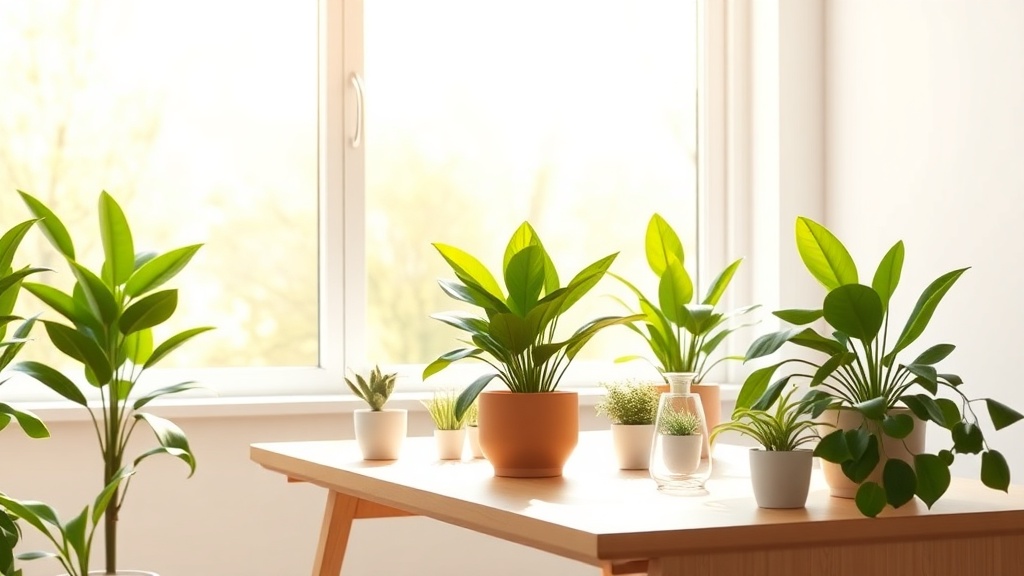
Spring Refresh: Build a Biophilic Home Office for Focus & Well‑Being

Spring Refresh: Build a Biophilic Home Office for Focus & Well‑Being
Hook
Ever notice how a single plant on your desk can lift your mood? Imagine a whole workspace that feels like a breath of fresh spring air—boosting productivity, easing stress, and keeping your wallet happy.
Context
Spring is the perfect excuse to swap out stale décor for a biophilic office that works with nature, not against it. As daylight‑saving time adds extra sunlight, you can harness that natural glow to power your focus. Recent buzz around home upgrades—think Paige Thalia’s carpet rescue—shows people are eager to make their surroundings work for them. Let’s turn that energy into a healthier, more productive home office.
Body
What Is Biophilic Design and Why Does It Matter?
Biophilic design is the practice of weaving natural elements—plants, light, wood, stone—into built spaces. Research from the University of Minnesota shows workers in greener offices are 6 % more productive and 15 % more creative (Human Spaces report). In a 2021 study published in Science of the Total Environment, indoor greenery improved physiological stress markers and overall well‑being. The takeaway? Even a modest dose of nature can sharpen focus and lower cortisol.
How Can Renters Add Green Without Breaking the Lease?
| Biophilic Element | Renter‑Friendly Idea | Cost (≈) |
|---|---|---|
| Plants | Small pothos or snake plant in a decorative pot; use a hanging macramé to avoid floor space | $10‑$25 each |
| Living Wall | Peel‑and‑stick moss panels (removable) on a focal wall | $30‑$50 per panel |
| Natural Light | Position desk near the window; add a light‑filtering sheer curtain to soften glare | $15‑$30 for curtains |
| Wood Accents | Bamboo desk organizer or reclaimed wood shelf (portable) | $20‑$40 |
| Water Element | Mini tabletop fountain (plug‑in) for gentle sound | $25‑$45 |
| These tweaks require no drilling, no permanent paint, and can be taken with you when you move. |
Which Plants Thrive in a Home Office?
- Snake Plant (Sansevieria) — Tolerates low light, purifies air.
- ZZ Plant (Zamioculcas zamiifolia) — Low‑maintenance, glossy leaves.
- Pothos (Epipremnum aureum) — Trails beautifully from shelves or hanging pots.
- Spider Plant (Chlorophytum comosum) — Easy propagation, removes pollutants.
Place taller plants near the window to frame the view, and use smaller foliage on the desk to keep the surface clear for work.
How Does Natural Light Boost Your Brain?
A 2022 International Journal of Workplace Health Management study found employees with ≥ 3 hours of daylight exposure reported higher engagement and a 5 % boost in task completion. To capture spring light:
- Morning ritual: Open blinds as soon as you start work; let the sunrise flood the room.
- Reflective surfaces: Add a light‑colored mirror opposite the window to double illumination.
- Adjustable lighting: Pair natural light with a daylight‑balanced LED lamp (≈ 5000 K) for cloudy afternoons.
What Are the Ergonomic Benefits of a Biophilic Setup?
Combining nature with ergonomics reduces musculoskeletal strain. The 7 Desk Mobility Moves post highlighted that a properly positioned monitor (eye level, ~ arm’s length) cuts neck tension by 30 %. Adding a plant at eye level encourages a natural upward gaze, aligning your neck and spine.
Pro tip: Use a standing desk (see our Standing Desk Setup guide) and place a low‑profile plant on the lower shelf. The visual cue of greenery reminds you to shift posture regularly.
How Can You Keep the Space Sustainable?
- Choose reclaimed or bamboo furniture—both grow quickly and have low embodied carbon.
- Use reusable planters (ceramic jars, repurposed coffee cans).
- Water wisely: A self‑watering pot with a moisture‑sensor reduces waste.
Sustainability isn’t just a buzzword; it aligns with the wellness mindset that fuels lasting habit change.
Quick 5‑Step Spring Refresh Checklist
- Audit Light: Measure daylight hours with a smartphone app; move the desk if needed.
- Select Plants: Pick two low‑maintenance species; place one near the window, one on the desk.
- Add Natural Materials: Swap a plastic organizer for a bamboo version.
- Introduce Water: Set a small fountain or a glass of water with floating pebbles.
- Reflect & Review: After one week, note any changes in focus or stress—adjust as you go.
Takeaway
You don’t need a full‑blown office remodel to reap the benefits of biophilic design. By adding a few plants, maximizing spring daylight, and swapping in natural materials, you create a workspace that fuels focus, eases stress, and stays budget‑friendly. Start with the 5‑step checklist today, and watch your productivity bloom alongside the season.
Related Reading
- Standing Desk Setup: Boost Energy and Health at Work — Learn how a height‑adjustable desk pairs perfectly with greenery.
- 5 Budget Desk Accessories Under $100 to Keep Your Body Happy — Find affordable tools that complement a biophilic office.
- 7 Desk Mobility Moves to Beat Back Pain in 5 Minutes — Keep your posture in check while you enjoy the view.
FAQs (for rich results)
{
  "meta": {
    "faqs": [
      {
        "question": "What is biophilic design and how does it improve productivity?",
        "answer": "Biophilic design incorporates natural elements like plants and daylight into indoor spaces, which studies show can raise productivity by up to 6 % and creativity by 15 %."
      },
      {
        "question": "Which low‑maintenance plants are best for a home office?",
        "answer": "Snake plant, ZZ plant, pothos, and spider plant thrive in low‑light conditions and help purify indoor air."
      },
      {
        "question": "How can renters add natural light without permanent changes?",
        "answer": "Place your desk near an existing window, use sheer curtains to soften glare, and add a daylight‑balanced LED lamp for cloudy days."
      }
    ]
  }
}
Author: Leo Vargas