Wearable Tech for Micro‑Workouts: 2026 Trends & Best Devices

Wearable Tech for Micro‑Workouts: 2026 Trends & Best Devices
Hook:
Ever felt like you have five minutes between Zoom calls but no clue how to turn that gap into real fitness? In 2026, wearable tech is finally doing the heavy lifting—programming micro‑workouts that fit your hectic schedule without adding any friction.
Context:
If you’ve been following my desk‑mobility moves, the 15‑minute full‑body blueprint, or the budget home‑gym roundup, you already know that short, consistent effort beats marathon sessions. The missing piece? A smart, affordable device that tells you exactly what to do, when to do it, and why it matters.
What Are the 2026 Wearable Trends Shaping Micro‑Workouts?
1. From Tracking to Programming – How Wearables Are Becoming Your Personal Coach
The American College of Sports Medicine (ACSM) crowned wearable technology the #1 fitness trend for 2026, noting a shift from passive data collection to active workout programming【1†https://acsm.org/top-fitness-trends-2026/】. Instead of just counting steps, devices now generate 5‑ to 15‑minute sessions based on your heart‑rate zones, stress levels, and calendar gaps.
2. Seamless Integration Across Platforms
Gold’s Gym reports that 2026 devices sync effortlessly with productivity tools (Google Calendar, Outlook) and health apps, auto‑scheduling micro‑sessions when you have a free slot【3†https://www.goldsgym.com/blog/2026-fitness-trends/】. This eliminates the “I’ll work out later” excuse.
3. AI‑Powered Recovery Insights
Men’s Health highlights AI‑driven recovery recommendations—real‑time suggestions on when to stretch, hydrate, or perform a shoulder rescue based on sleep data and muscle fatigue scores【5†https://www.menshealth.com/uk/fitness/cardio-exercise/a69902720/wellness-trends-2026-expert-predictions/】.
4. Budget‑Friendly Sensors Are Getting Smarter
Trainerize shows that even sub‑$50 sensors now support heart‑rate variability (HRV) and motion‑analysis algorithms, making micro‑workout coaching accessible to anyone on a budget【4†https://www.trainerize.com/blog/exercise-trends/】.
Which Devices Actually Deliver for a 15‑Minute Office Routine?
a. What’s the Best All‑Rounder Under $100?
Fitbit Charge 6 – $99
- 24/7 HRV monitoring, Micro‑Workout Scheduler that auto‑creates 5‑15‑minute circuits.
- Battery life: 7 days, water‑resistant to 50 m.
- Why it works: Syncs with Google Calendar, nudges you during meeting gaps.
b. Want a Purely Minimalist Tracker?
Xiaomi Mi Band 9 – $35
- Basic heart‑rate, step count, Quick‑Fit mode (3‑minute bursts).
- No subscription required, perfect for the $5‑plate budget mindset.
c. Looking for a Wrist‑to‑Desk Hybrid?
Whoop 4.0 – $30/month (free strap)
- Focuses on recovery metrics; its Daily Strain feature recommends micro‑recovery drills (e.g., shoulder rescue) when strain spikes.
d. Need a Full‑Body Sensor Suite?
Garmin Venu 3 – $199 (slightly above $100 but worth a mention)
- Built‑in Body Battery score tells you the optimal time for a 10‑minute bodyweight circuit.
e. Prefer a Smart Ring?
Oura Ring Generation 4 – $299 (premium, but can be split‑paid)
- HRV‑driven Micro‑Move alerts pop up on your phone when you sit too long.
Pro tip: Pair any of these wearables with the 15‑Minute Full‑Body Micro‑Workout Blueprint I published earlier. The blueprint’s “no‑equipment” moves line up perfectly with the short‑circuit suggestions these devices generate.
How to Set Up a Seamless Micro‑Workout Flow in Your Office
1. Link Your Calendar to the Wearable App
- Open the device’s companion app → Settings → Integrations → Choose Google Calendar (or Outlook).
- Enable “Auto‑Schedule Micro‑Workouts”.
2. Choose a Goal Aligned with Your Desk Routine
- Goal: “Improve posture & shoulder mobility.”
- The device will suggest short scapular retractions, thoracic extensions, and the 15‑Minute Shoulder Rescue (see my post) during long sitting periods.
3. Activate Real‑Time Alerts
- Turn on Vibration or Audio nudges for every 45‑minute sit block.
- When the alert fires, follow the 3‑move micro‑circuit that appears on your phone screen.
4. Track Progress & Adjust
- Review weekly Recovery Score in the app.
- If the score dips, the device will automatically increase the frequency of micro‑recovery drills.
5. Stay Within Budget
- Start with the Xiaomi Mi Band 9 for under $40, then upgrade to a Fitbit Charge 6 once you’ve locked the habit.
What’s the Bottom Line for Busy Professionals?
Wearable tech in 2026 finally bridges the gap between intention and action. By letting AI schedule micro‑workouts around your calendar, you eliminate decision fatigue and keep your body moving without sacrificing any of those precious work minutes. Pair a budget‑friendly tracker with the micro‑workout strategies I’ve already shared, and you’ll have a no‑fluff, habit‑stacking system that actually sticks.
Takeaway: Grab a sub‑$50 wearable, sync it with your calendar, and let it cue a 5‑ to 15‑minute routine whenever you have a free slot. Consistency beats intensity—especially when the device does the planning for you.
Related Reading
- 15‑Minute Full‑Body Micro‑Workout Blueprint for Busy Professionals – The exact circuit you can run when your wearable prompts you.
- Best Budget Home Gym Gear Under $100: Quick Comparison – Gear that pairs well with wearable‑guided sessions.
- 7 Desk Mobility Moves to Beat Back Pain in 5 Minutes – Complementary stretches for those longer sit periods.
- Standing Desk Setup: Boost Energy and Health at Work – Optimize your environment for micro‑movement.
FAQs (FAQPage Schema)
{
  "meta": {
    "faqs": [
      {
        "question": "Do I need a premium subscription for these wearables to get micro‑workout suggestions?",
        "answer": "Most devices offer basic micro‑workout alerts for free; premium plans unlock deeper AI programming and personalized recovery insights."
      },
      {
        "question": "Can I use a wearable if I’m not a tech‑savvy person?",
        "answer": "Absolutely. Devices like the Xiaomi Mi Band 9 have a simple one‑tap setup and work out‑of‑the‑box with default micro‑session schedules."
      },
      {
        "question": "How often should I trust the wearable’s recovery score?",
        "answer": "Treat it as a guide—check it daily and adjust your micro‑workouts if the score consistently drops below 70 %."
      }
    ]
  }
}
Author’s note: I’m testing the Fitbit Charge 6 with my own 15‑minute routine this month. If you try any of these, drop a comment—let’s see which one truly moves the needle for busy professionals.
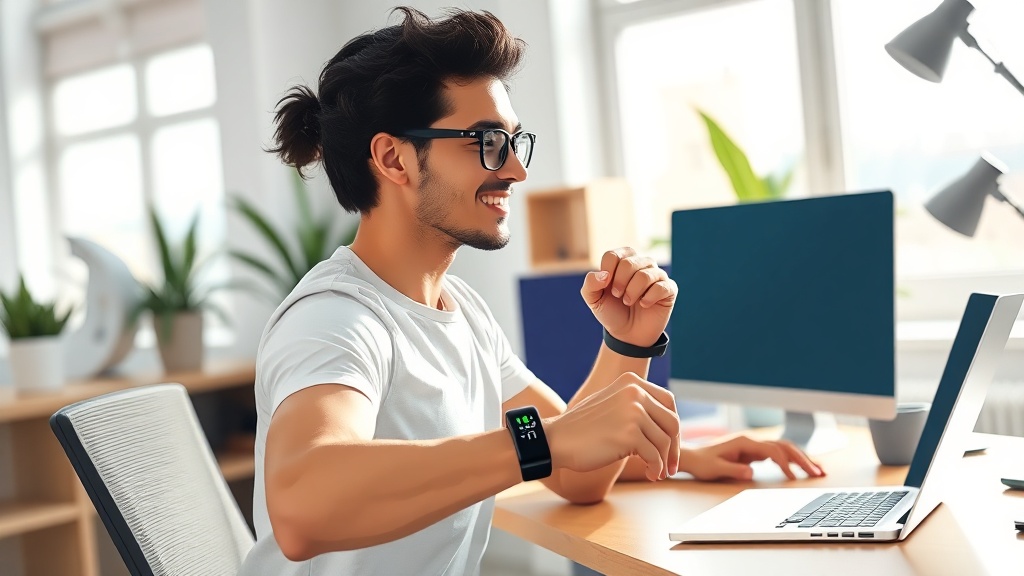
Image Alt Text: "Busy professional in a modern home office wearing a sleek fitness tracker, performing a quick micro‑workout beside a laptop, natural light highlighting energetic movement"