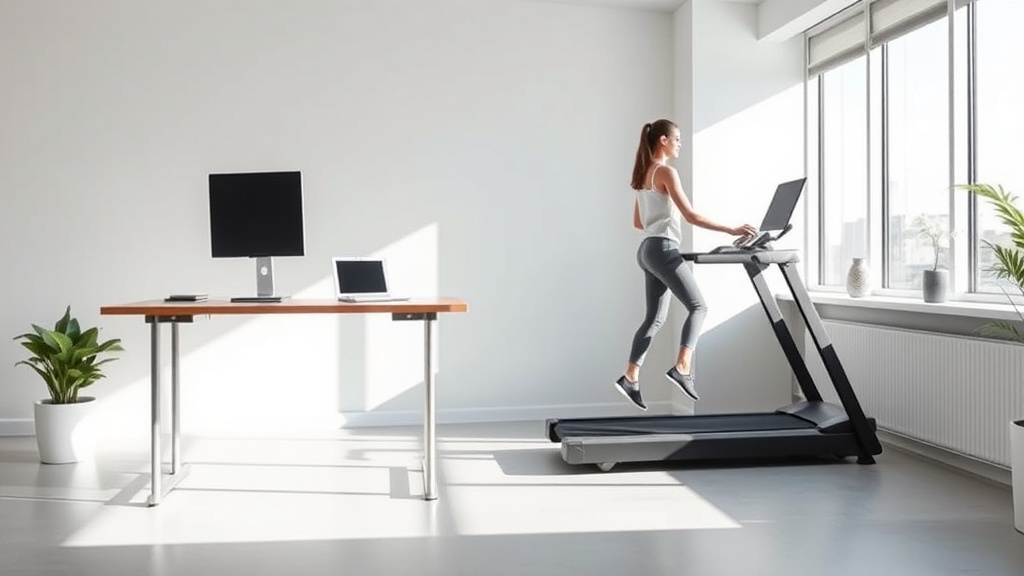
Standing vs Treadmill Desk: Which Boosts Productivity & Health?

Ever wonder if swapping your chair for a treadmill could actually make you more productive, or if a simple standing desk is the sweet spot? I tried both, logged the data, and dug into the science so you don’t have to.
Why compare a standing desk to a treadmill desk?
We’ve already covered how a standing desk can boost energy and why budget-friendly accessories matter (5 budget desk accessories). The next logical question is: is a treadmill desk a better evolution, or just a flashy distraction?
What does the research say about health benefits?
Multiple systematic reviews find that both setups improve posture and reduce lower‑back pain, but treadmill desks add a clear cardiovascular edge. A 2014 PubMed review noted that treadmill desks lead to "larger decreases in work productivity" but also "significant improvements in heart rate and calorie burn" (PubMed study).
How does each option affect work performance?
Productivity is the elephant in the room. An iMovR 2026 guide reports that people doing deep, uninterrupted cognitive tasks tend to favor standing desks, while those with mixed or lower‑intensity work can tolerate the subtle motion of a treadmill desk (iMovR guide). The consensus: if you spend most of your day answering emails and drafting reports, a standing desk wins on focus.
Which option fits a busy professional budget?
Standing desks typically start around $150 for a basic frame, while treadmill desks often exceed $1,000. If you’re watching the bottom line, the budget accessories list shows you can add ergonomic mats and monitor arms for under $100—no need for a pricey treadmill.
What about setup and habit stacking?
My personal habit‑stacking method works for both: set a timer to stand for 20 minutes, then walk for 5 minutes if you have a treadmill. The key is low friction. A treadmill that’s too fast becomes a productivity sink; a standing desk that’s too tall becomes a posture nightmare. Aim for a height that lets your elbows stay at a 90° angle and a treadmill speed of 1‑2 mph.
Should you go all‑in on a treadmill desk?
If you love walking meetings, have a flexible schedule, and can invest in a quality treadmill desk, the cardio boost is worth it. Otherwise, a solid standing desk paired with a 5‑minute shoulder rescue routine gives you most of the health upside without sacrificing focus.
Takeaway: Which desk matches your goals?
- Prioritize focus? Choose a standing desk—simple, affordable, and proven to keep cognitive work sharp.
- Need extra cardio? A treadmill desk works if you can tolerate a slight dip in productivity and have the budget.
- On a shoestring? Stick with a standing desk and add a budget mat or monitor arm.
Start small, track how you feel, and adjust. Your body will thank you, and your work will reflect the change.
Related Reading
- 15‑Minute Full‑Body Micro‑Workout Blueprint — quick routines you can pair with a desk setup.
- Why All‑or‑Nothing Plans Fail — habit‑stacking principles that make any desk upgrade stick.
Frequently Asked Questions
- Can I use a treadmill desk for intense typing? Not recommended. The slight motion can cause typing errors; reserve it for reading, video calls, or brainstorming.
- How much weight can a standing desk hold? Most commercial frames support 150 lb (68 kg) of equipment—plenty for a monitor, laptop, and a small lamp.
- Do treadmill desks burn enough calories to replace a gym session? Walking at 1.5 mph burns roughly 150 kcal per hour—great for offsetting sedentary time but not a full workout.