
How to Build a Workout Habit When You’re Exhausted (A 30-Day System That Actually Sticks)

Look, if your plan requires motivation, it’s already broken.
By Day 14, you’re tired, your schedule is chaos, and your brain is negotiating like a lawyer: “Skip today. Start fresh Monday.” I’ve been there (multiple Januaries, zero results).
So we’re not doing motivation. We’re building a system that works when you’re exhausted.

Step 1: Shrink the Workout Until It Feels Almost Pointless
Here’s the deal: your brain hates big commitments when you’re tired. A 60-minute workout sounds like punishment. A 5-minute one? That feels doable.
This is the 1% rule in action. We’re not chasing perfect—we’re protecting the streak.
- Set a timer for 5–10 minutes
- Pick 2–3 basic movements (squats, push-ups, walking)
- Stop when the timer ends—even if you feel good
(Yes, even if you feel good. That’s how we avoid burnout.)
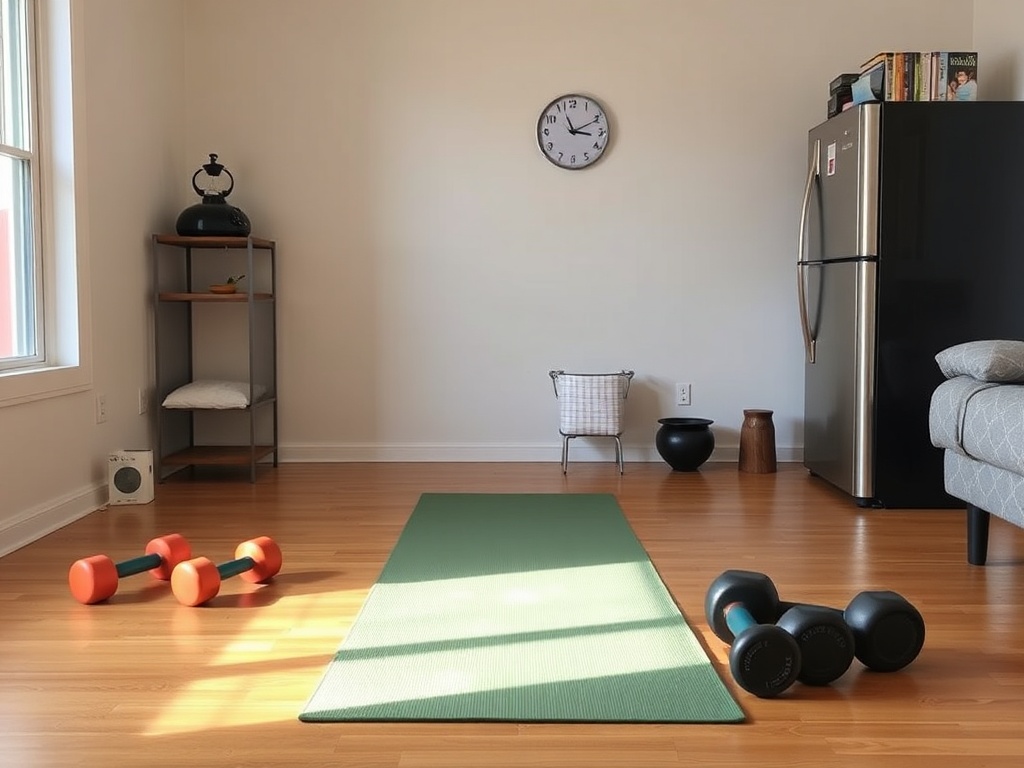
Step 2: Attach It to Something You Already Do
Motivation is unreliable. Habits are anchors.
Pick something that already happens every day:
- After brushing your teeth
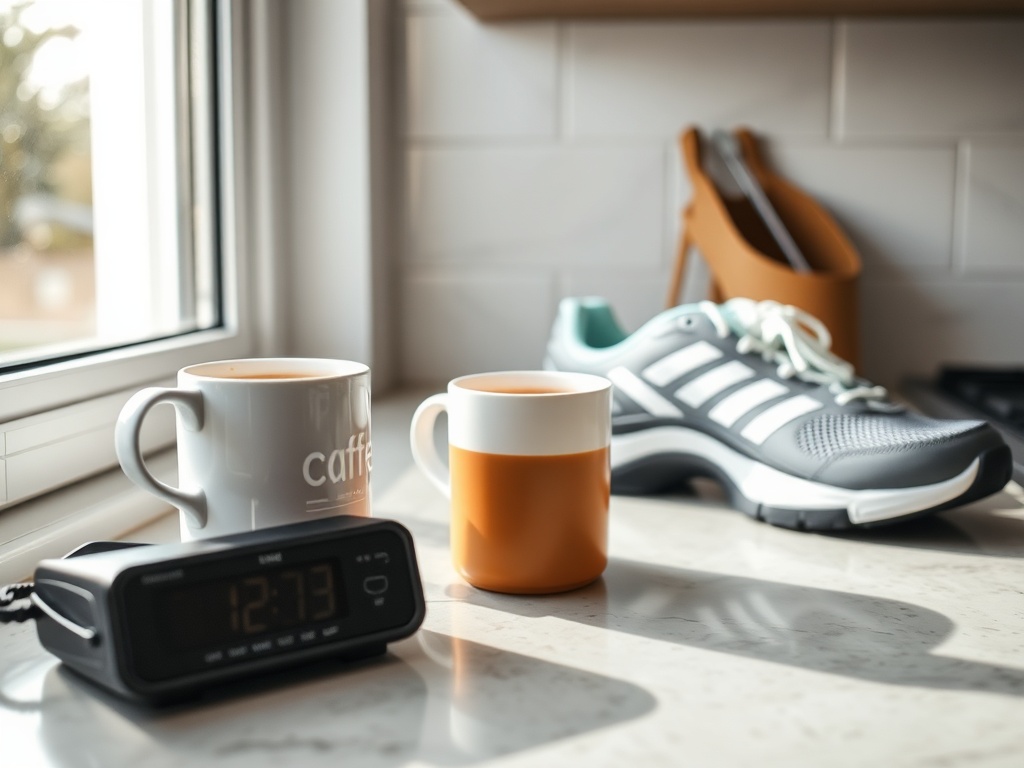
- After your morning coffee
- Right when you get home from work
This is called habit stacking. You’re not adding a new decision—you’re piggybacking on an existing one.
Example: “After I pour my coffee, I do 5 minutes of movement.”
Step 3: Remove Friction the Night Before
Real talk: most workouts die before they start because of decision fatigue.
Fix that at 9 PM:
- Lay out your clothes
- Set your dumbbells in plain sight
- Pick your exact workout (no thinking in the morning)
Your goal is zero decisions when you’re tired. You’re just following yesterday’s plan.

Step 4: Use a “Streak” System (Not the Scale)
The scale will mess with your head. Ignore it.
Instead, track your streak:
- Print a calendar or use a notebook
- Mark a big red X every day you show up
Miss a day? Fine. Don’t miss two.
This is about identity: you’re becoming someone who shows up—even when it’s not perfect.

Step 5: Build a “Bare Minimum” Version for Bad Days
You will have bad days. Plan for them.
Your bare minimum might be:
- 10 squats
- 10 push-ups (or wall push-ups)
- 1-minute walk around the block
That’s it. That counts.
We’re not chasing results today—we’re protecting the habit.

Step 6: Keep It Under 40 Minutes (Always)
Here’s a hot take: long workouts are where consistency goes to die.
If your session takes over 40 minutes, you’re either overthinking it or you’ll burn out in a week.
Short, repeatable sessions win every time.

Step 7: Use Walking as Your Safety Net
Walking is the most underrated tool in fitness.
If everything falls apart—schedule, energy, motivation—just walk.
- 10 minutes after dinner
- Walk during phone calls
- Park further away on purpose
Walking keeps the streak alive without draining you.

Your 30-Day Plan (Simple Version)
Week 1: Show up for 5–10 minutes daily
Week 2: Keep the streak alive (don’t increase intensity yet)
Week 3: Add 1–2 exercises if it feels easy
Week 4: Stay consistent. That’s the win.
That’s it. No fancy programming. No “challenge.” Just repetition.
Why This Works (The Psychology)
Your brain is wired to avoid effort when you’re tired. Big workouts trigger resistance. Small ones slip through.
Once you start, momentum takes over. But we don’t rely on that—we just make starting stupidly easy.
Consistency rewires identity. Identity drives behavior.
What to Do When You Slip
You will miss a day. That’s normal.
The rule is simple: never miss twice.
Don’t restart. Don’t “wait for Monday.” Just pick it back up the next day—even if it’s 2 minutes.
The Bottom Line
You don’t need more motivation. You need a smaller starting point and a system that respects your energy.
Build the habit first. The results follow.
Tiny Win: Put your workout shoes next to your bed right now. That’s your first rep.
Steps
- 1
Shrink the workout to 5–10 minutes
- 2
Attach workouts to an existing habit
- 3
Prepare everything the night before
- 4
Track your streak instead of weight
- 5
Define a bare minimum routine
- 6
Keep workouts under 40 minutes
- 7
Use walking as a fallback