Bio-Harmony Spring Reset: Align Your Circadian Rhythm with Seasonal Changes

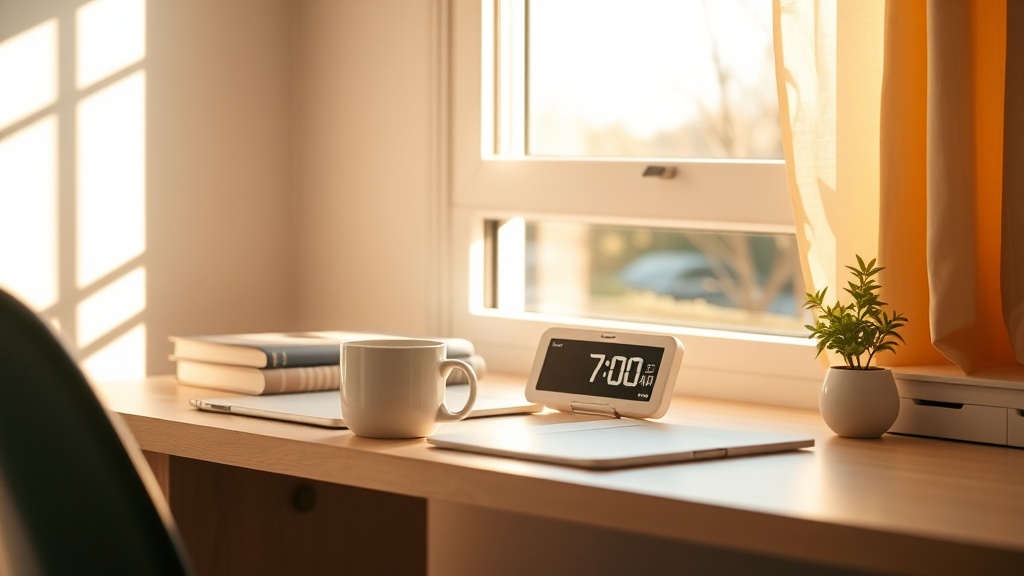
<featured-image src="https://images.realcontent.blog/fitnessgoals/migrated/fal/b96f2090c13f642b.jpg\" alt="Morning light streaming onto a tidy home office desk, symbolizing a spring circadian reset"/>

Hook
Did you know the clock change this weekend could drain your energy for weeks? Spring forward isn’t just a calendar tweak—it’s a biological jolt that throws your internal clock off‑balance.
Why It Matters
When daylight saving time (DST) shoves sunrise an hour earlier, many of us lose that gentle cue our bodies rely on to wake up, stay alert, and wind down. The result? groggy mornings, late‑night cravings, and a dip in productivity that can sabotage the very habits you’ve been building.
How Can You Re‑Align Your Body Clock?
Below are practical, science‑backed steps you can start today. Each micro‑habit takes under five minutes, fits a busy schedule, and supports the broader bio‑harmony trend that’s gaining traction in 2026.
What Light Exposure Should I Aim For?
Morning Sunburst: Spend 5‑10 minutes outside within the first hour after waking. Natural blue light spikes melatonin suppression, signalling it’s daytime. If the weather’s gray, sit by a bright window and turn on a full‑spectrum lamp.
Evening Dim‑Down: Switch off bright screens at least 30 minutes before bed. Use amber‑tinted glasses or a “night shift” setting to reduce blue‑light exposure. A dim, warm lamp helps cue melatonin production for sleep.
Study: Researchers at the Harvard Medical School found that 30 minutes of morning sunlight improves sleep onset latency by 22 % (Harvard Health Publishing, 2025).
How Should I Adjust My Meal Timing?
Eat Earlier, Eat Lighter: Aim to finish your last substantial meal by 7 PM. Digestion spikes cortisol, which can keep you wired when you should be winding down.
Protein‑First Breakfast: Include 20‑30 g of protein within the first hour of waking. Protein stabilizes blood sugar and reinforces the cortisol spike that naturally occurs in the morning, helping you feel alert.
Reference: The National Sleep Foundation recommends a 2‑hour gap between dinner and bedtime for optimal sleep quality (2024).
Which Short Movement Breaks Boost My Rhythm?
5‑Minute Sun Salutation: A quick series of gentle stretches in natural light re‑sets posture, boosts circulation, and reinforces the daylight cue.
Mid‑Afternoon Walk: A 5‑minute walk around the block around 2‑3 PM aligns with the post‑lunch dip in alertness, resetting your circadian dip and preventing the afternoon slump.
Evidence: A 2023 Journal of Circadian Rhythms meta‑analysis linked brief midday movement to a 15 % increase in evening melatonin levels.
How Can I Use Technology Wisely?
Wearable Light Sensors: Devices like the Oura Ring now include ambient light tracking. Set a reminder to get sunlight if the sensor logs less than 30 minutes of exposure.
Blue‑Light Filters: Enable “Night Shift” on phones or use apps like f.lux to automatically shift screen color temperature after sunset.
Note: Our earlier post on Daylight Saving Time Is Coming for Your Streak in 5 Days – How to Survive It walks through the exact same tools for DST prep.
What Micro‑Habits Can I Stack Throughout the Day?
| Time | Micro‑Habit | Why It Works |
|---|---|---|
| 06:30 – 07:00 | Open curtains, step outside for light | Sets the morning cue |
| 08:30 | Protein‑rich snack (Greek yogurt, nuts) | Stabilizes cortisol |
| 12:30 | 5‑minute walk in daylight | Reinforces midday rhythm |
| 16:00 | Light‑stretch routine | Prevents evening cortisol spike |
| 19:30 | Dim lights, no screens | Signals wind‑down |
| 22:00 | Light reading, gratitude journal | Promotes melatonin release |
How Do I Keep the Momentum?
Habit Stacking: Pair each micro‑habit with an existing routine. For example, link “open curtains” to “brew coffee” or “evening screen‑off” to “brush teeth.” The 1 % rule—adding just a tiny tweak each day—makes the reset frictionless.
Track Progress: Use a simple checklist in your phone or a habit‑tracker app. Celebrate each streak; the psychological boost reinforces the bio‑harmony loop.
Takeaway
Spring’s daylight shift is a perfect moment to reset your circadian rhythm with low‑friction habits. Grab morning light, eat earlier, move in short bursts, and let technology guide you. By the end of the week you’ll notice steadier energy, better focus, and fewer “spring‑blues” setbacks.
Related Reading
- Daylight Saving Time Is Coming for Your Streak in 5 Days – How to Survive It – Practical DST survival tips.
- The Spring Reset Is a Trap – What Actually Works – Debunking common spring‑reset myths.
- Why All‑or‑Nothing Fitness Plans Fail—and How to Build Sustainable Habits – Habit‑stacking fundamentals.
- The 9 PM Rule – Eliminating Morning Decision Fatigue – Evening routines that complement circadian health.
<meta.faqs>
[
{"question": "What is bio‑harmony?", "answer": "Bio‑harmony is the practice of aligning daily habits—light, food, movement—with your body’s natural rhythms to boost energy and health."},
{"question": "How does daylight saving time affect my circadian rhythm?", "answer": "Shifting the clock an hour forward delays sunrise cues, which can suppress melatonin production and push sleep onset later, leading to grogginess."},
{"question": "What micro‑habits help reset my internal clock?", "answer": "Spend 5‑10 minutes in morning sunlight, finish dinner by 7 PM, add a 5‑minute midday walk, and dim screens 30 minutes before bed."}
]
</meta.faqs>