
9 Low-Effort Fitness Habits That Actually Stick (Even When You’re Exhausted)

The 10-Minute Walk Rule
Shoes On = Workout Started
The 15-Minute Kitchen Timer
Lay Out Your Gear at Night
The “One Set Minimum” Rule
Habit Stack Your Workout
Track the Streak (Not the Scale)
The “Too Tired” Backup Plan
Remove One Barrier
Look, here’s the deal: you don’t need a perfect plan—you need a plan you’ll actually repeat when you’re tired, annoyed, and thinking about skipping it. That’s where most people fall off. Not because they’re lazy, but because their system only works on their “best day.”
This list is built for your worst day. Long shift, bad sleep, zero motivation. These are habits that survive that version of you.
1. The 10-Minute Walk Rule

If everything else falls apart, you walk for 10 minutes. That’s it.
Walking is the most underrated tool in fitness. No setup, no gear, no intimidation. It’s the “default assignment” when your brain is fried.
Most people think it doesn’t “count.” That’s exactly why it works. Low resistance = high consistency.
2. Shoes On = Workout Started

This is a psychological trick. You don’t commit to the workout—you commit to putting your shoes on.
Your brain hates big tasks. It tolerates tiny ones. Once the shoes are on, you’re already halfway in.
(I’ve “accidentally” finished workouts this way more times than I can count.)
3. The 15-Minute Kitchen Timer
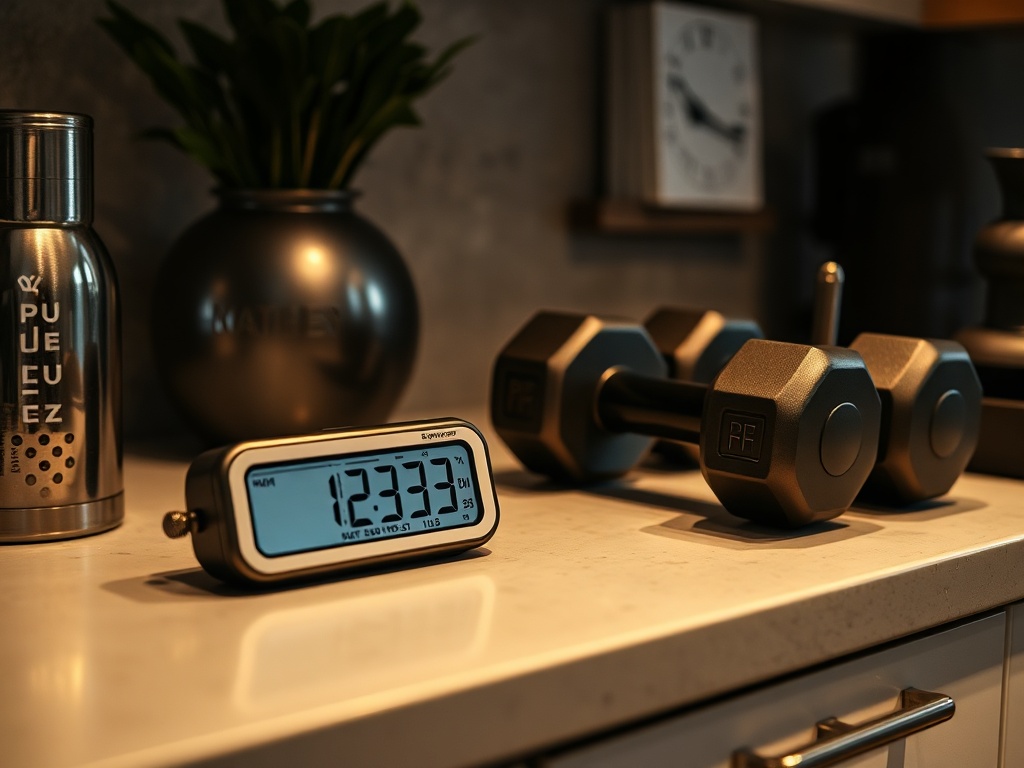
Set a timer for 15 minutes. When it rings, you’re allowed to stop.
This removes the fear of a long workout. You’re not committing to an hour—you’re committing to a short, contained effort.
Most days, you’ll keep going. But even if you don’t, you still win.
4. Lay Out Your Gear at Night

Morning decisions are where workouts die.
When your alarm goes off, your brain is negotiating. If your clothes are ready, that negotiation disappears.
Less thinking. More doing.
5. The “One Set Minimum” Rule

You only have to do one set.
That’s it. One set of squats. One set of push-ups. One set of anything.
This sounds almost too easy—and that’s the point. It keeps the streak alive. And once you start, doing more feels natural.
6. Habit Stack Your Workout

Attach your workout to something you already do.
Example: coffee brewing = squats. Brushing teeth = calf raises.
No new time block required. You’re just upgrading an existing habit.
7. Track the Streak (Not the Scale)
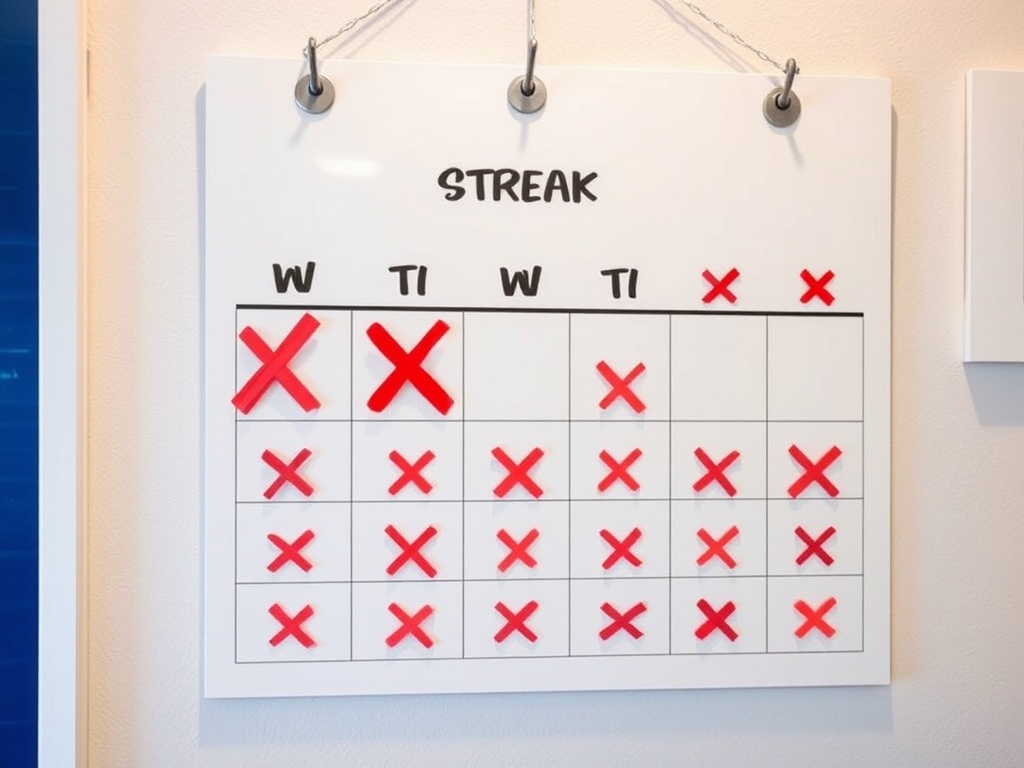
The scale is a liar. Your streak is not.
Tracking consistency gives you something you can control daily. Weight fluctuates. Effort doesn’t.
Seeing a chain of days builds momentum you don’t want to break.
8. The “Too Tired” Backup Plan

Have a fallback version of your workout.
Too tired? You stretch. Or walk. Or do 5 minutes instead of 20.
The goal is not perfection—it’s continuity.
9. Remove One Barrier
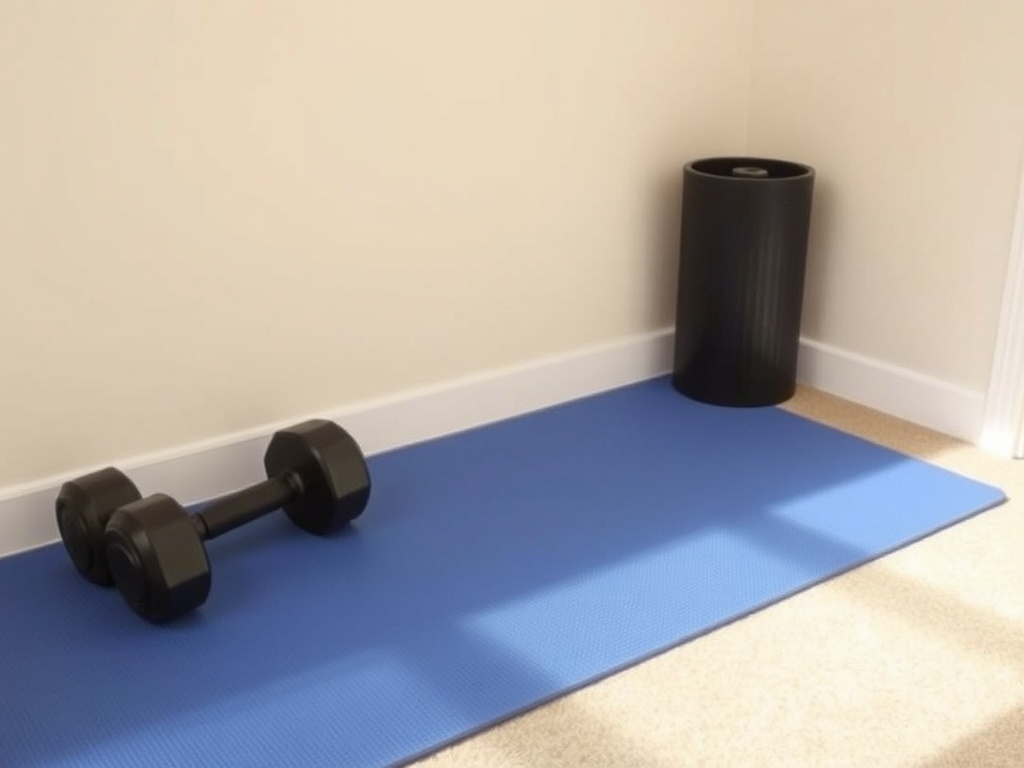
Every missed workout has friction behind it.
Maybe it’s finding clothes. Maybe it’s driving to the gym. Maybe it’s overthinking the plan.
Your job is to remove one barrier at a time. That’s how habits get easier.
The Real Goal
Real talk: you’re not trying to become a different person overnight. You’re trying to become the person who doesn’t skip twice.
That’s it. That’s the whole system.
Consistency beats intensity. Every time.
Tiny Win: Put your shoes by the door right now. That’s your only job today.